Nomadic Architecture, Living Matter: Translating House of Dust
- Years: 2025 - 2026
- Location: Bochum (DE)
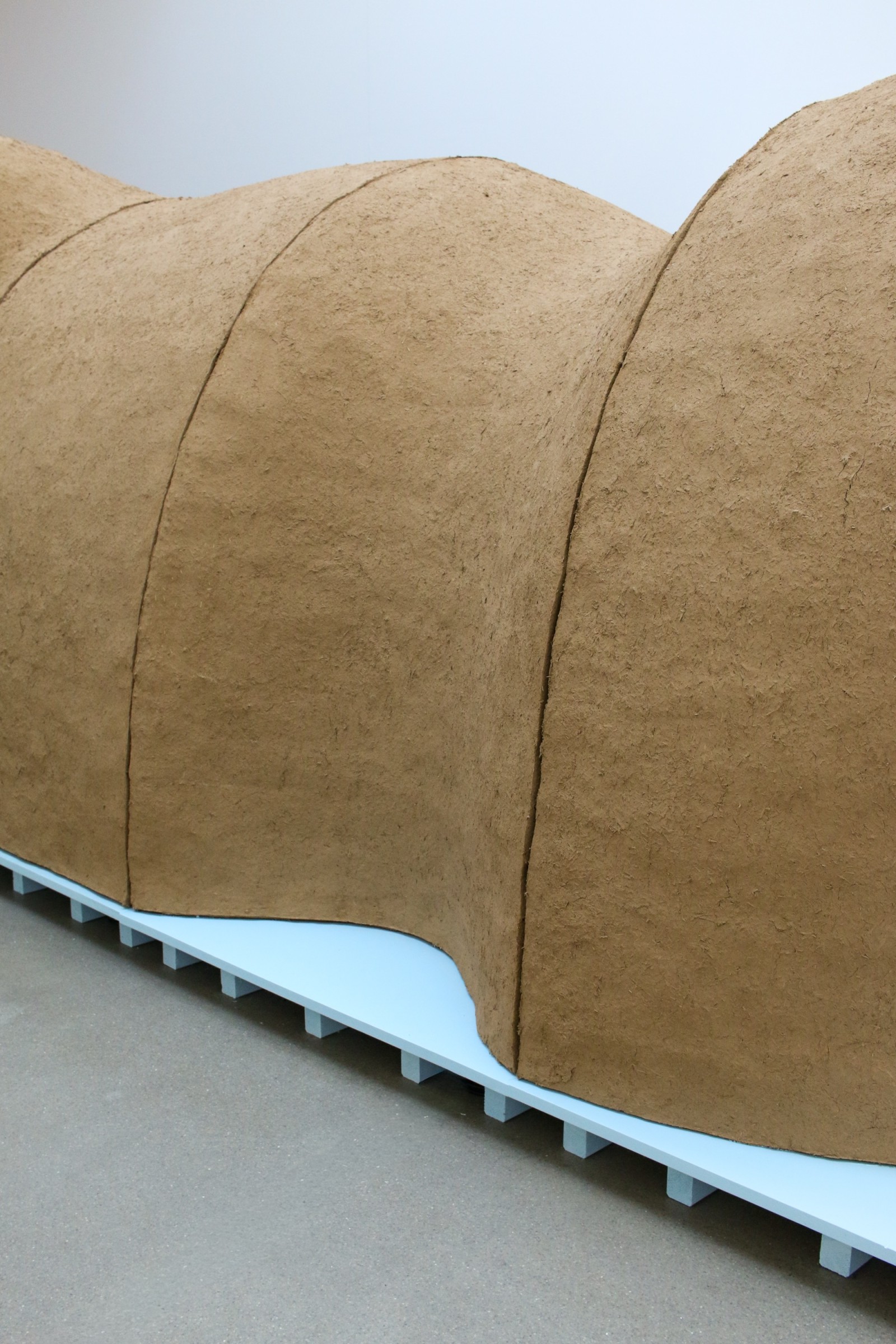
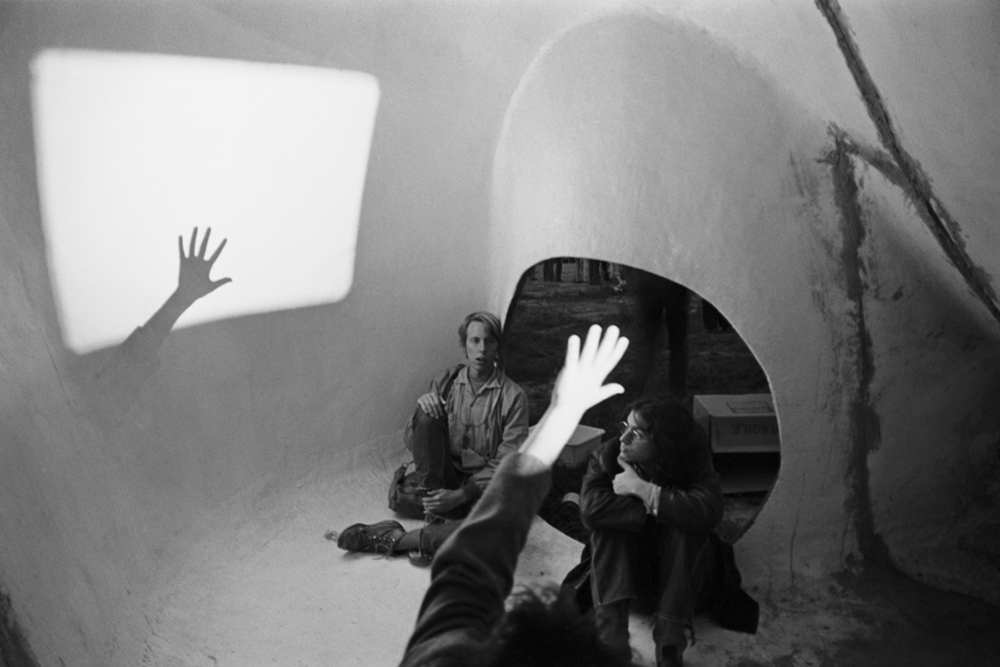
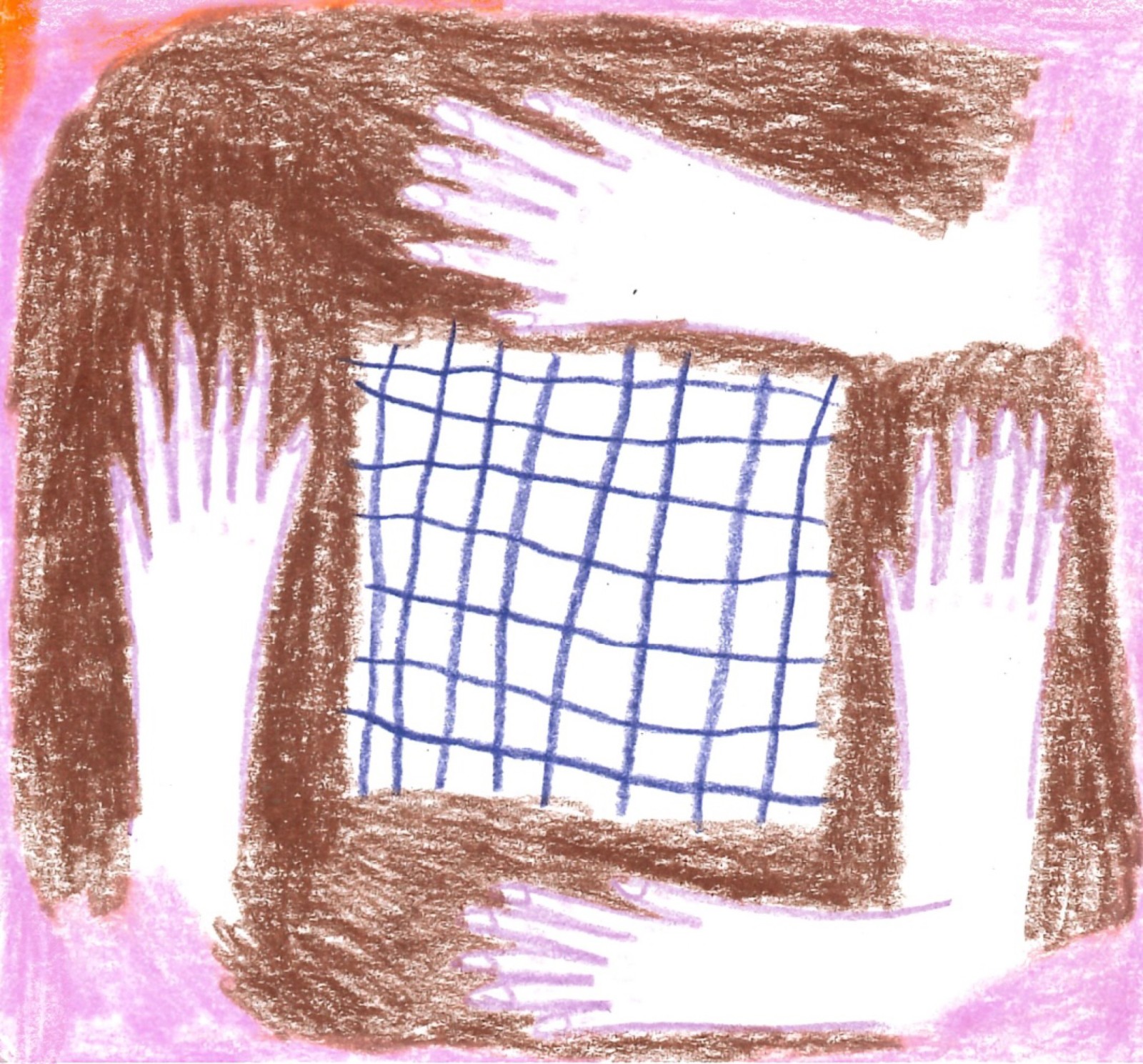
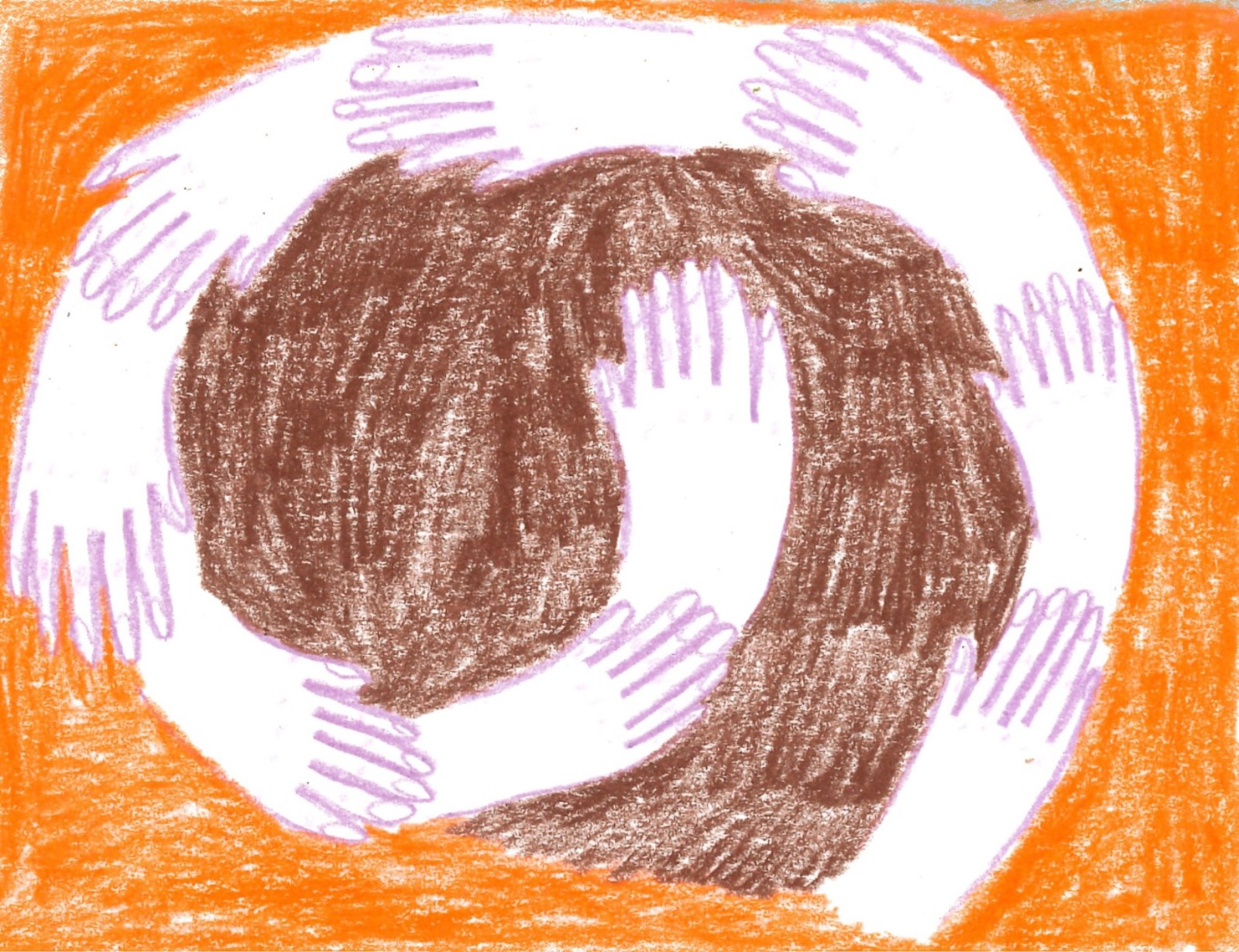
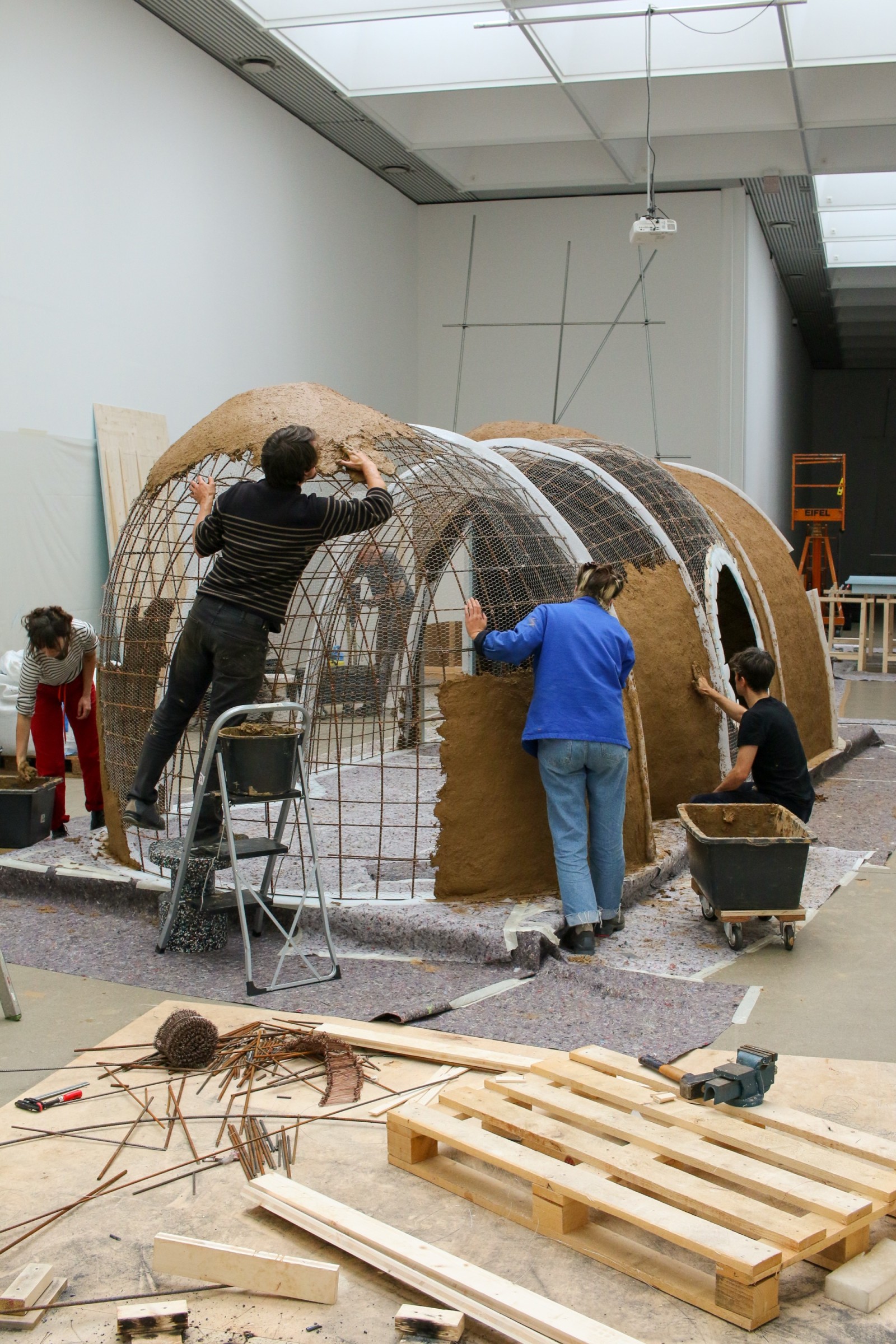
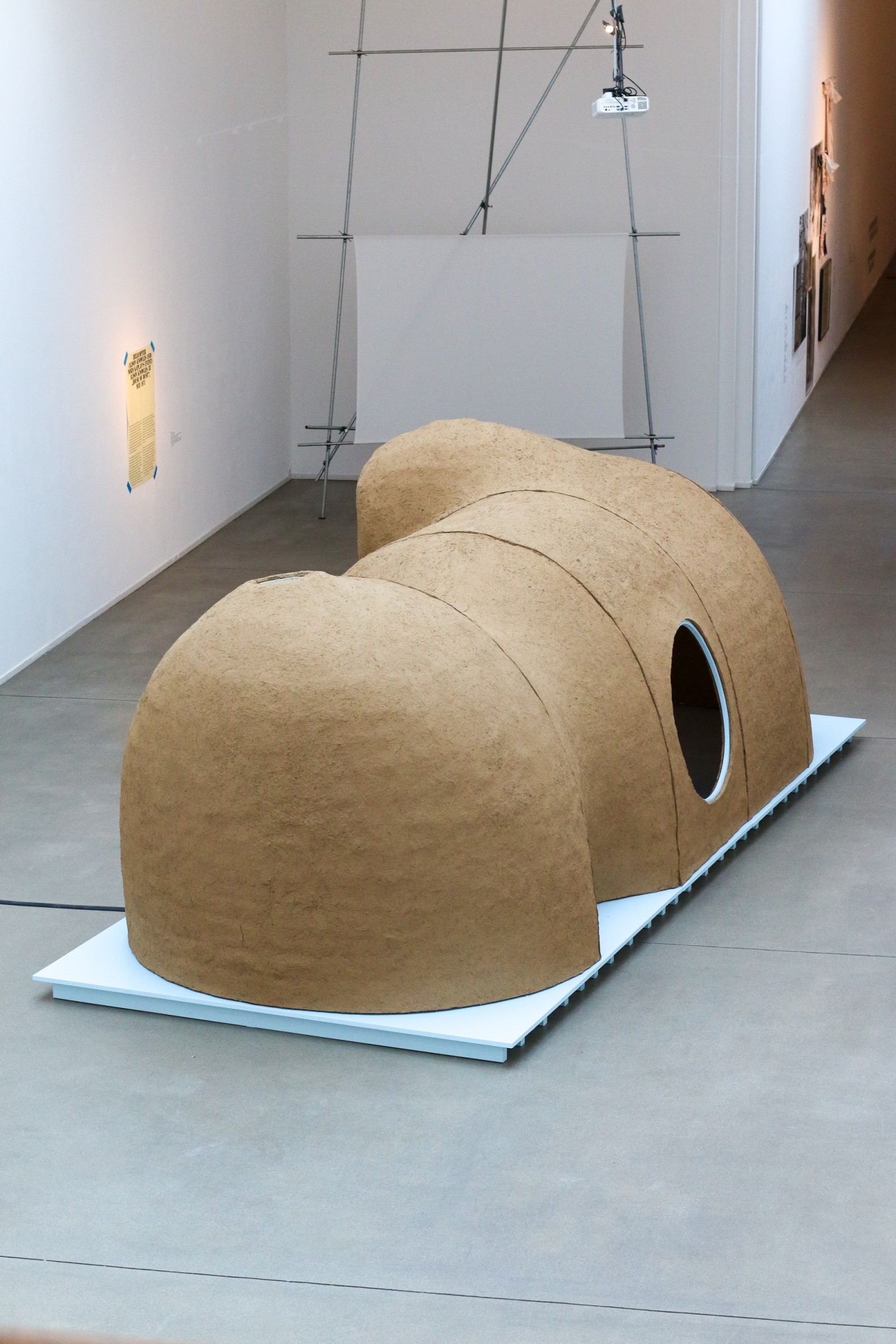
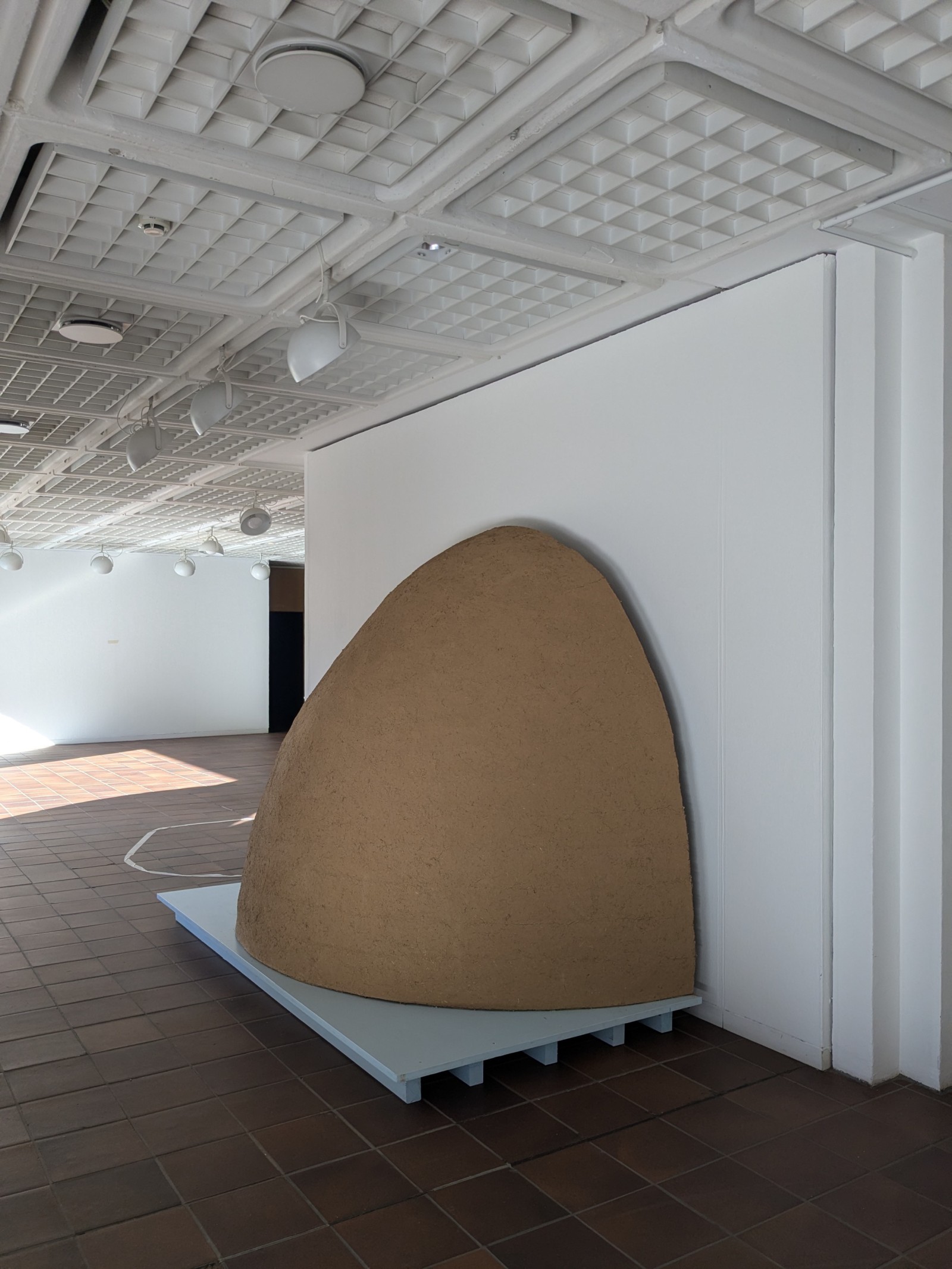
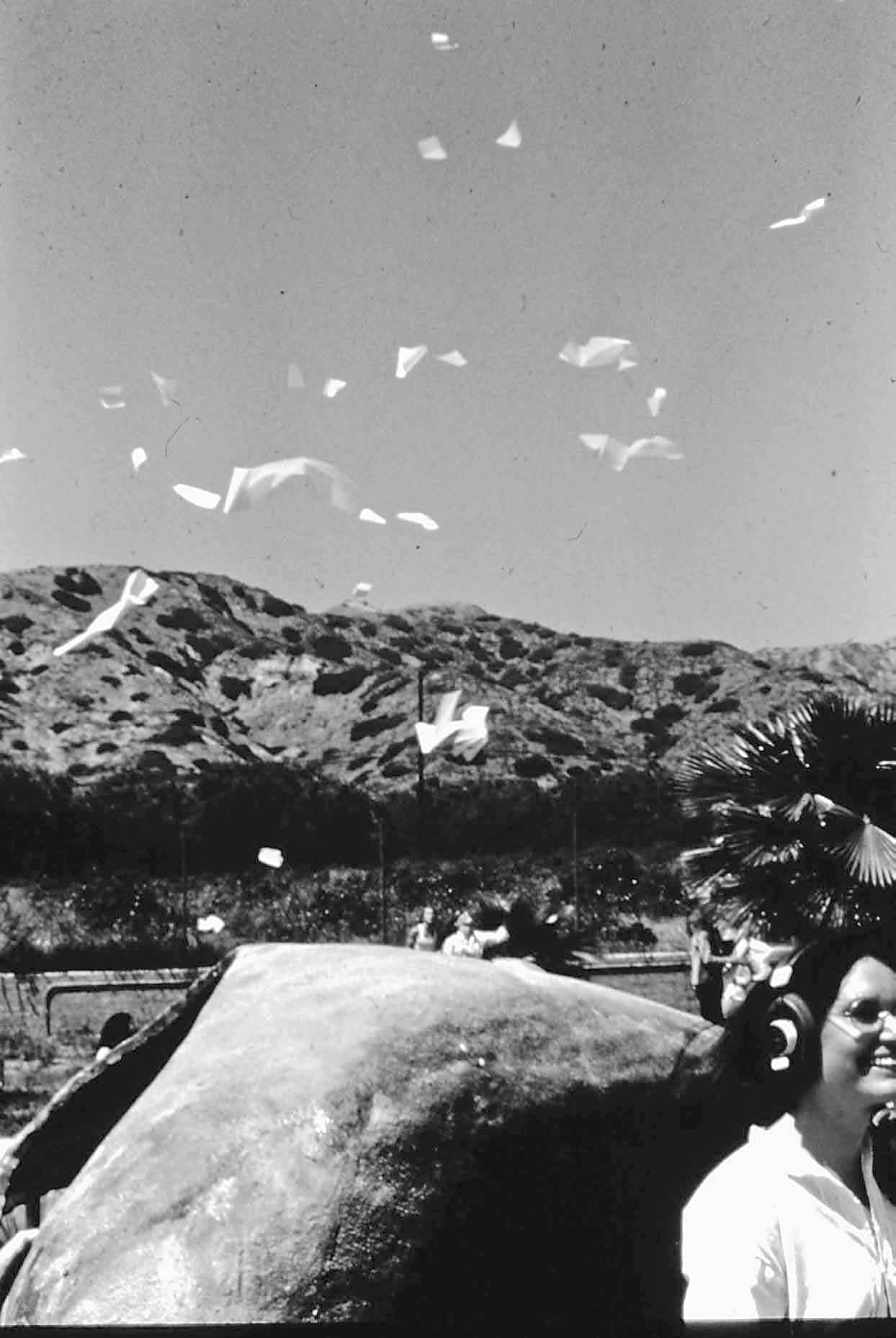
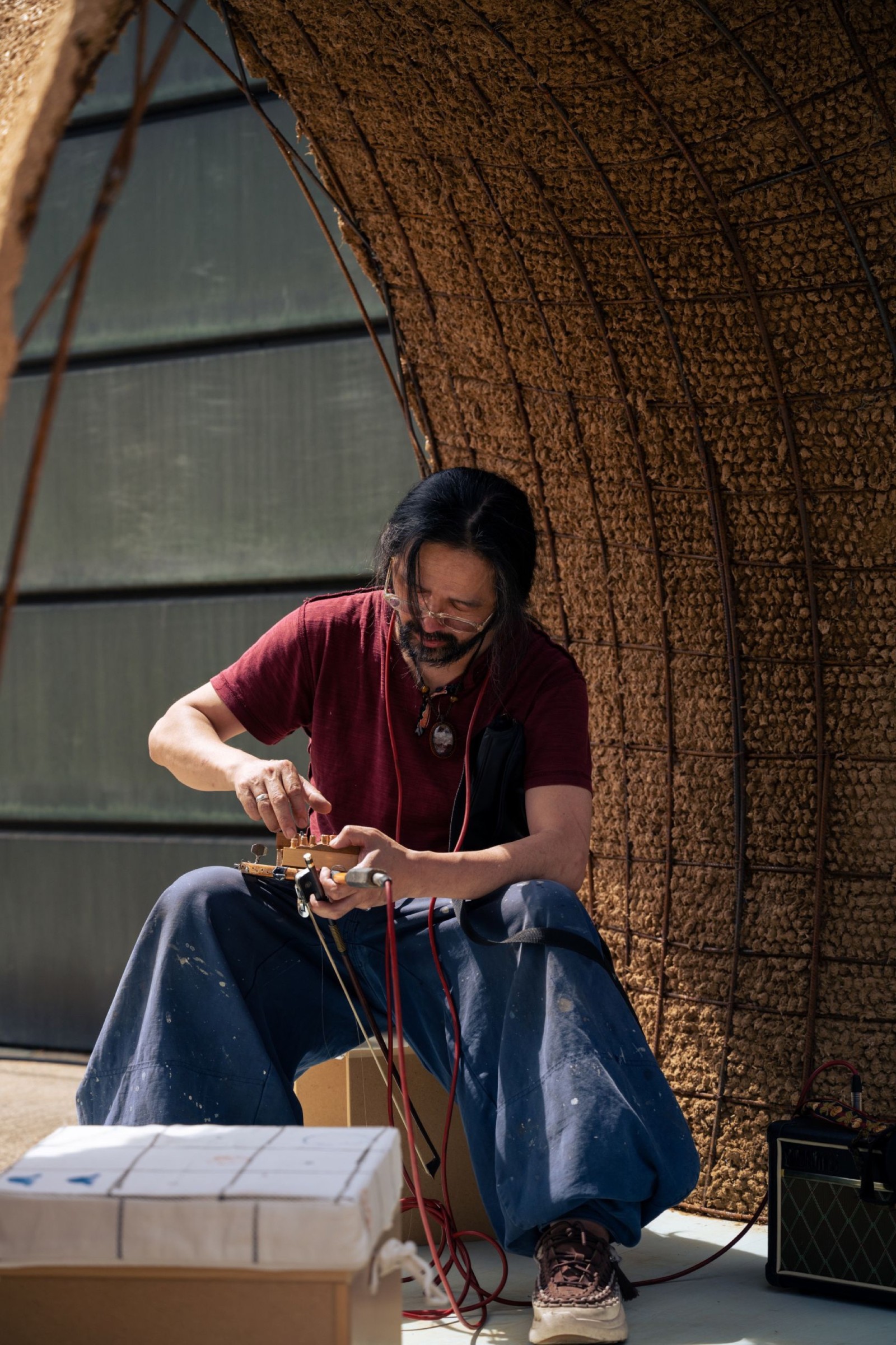
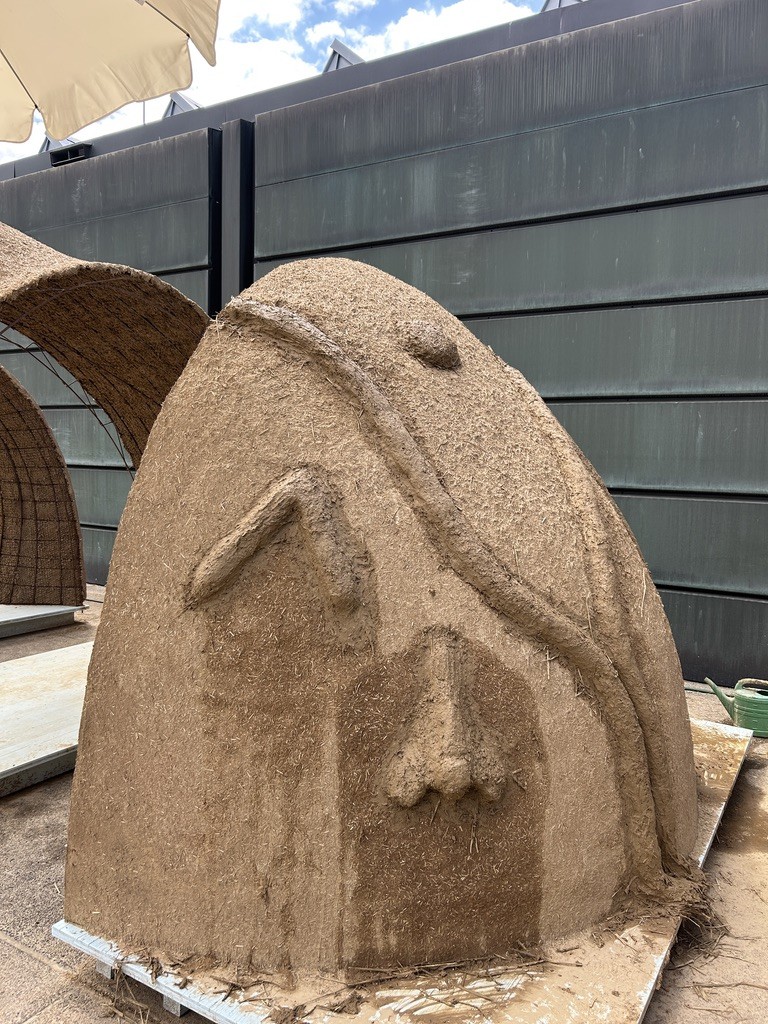
House of Dust is a seminal work by American Fluxus artist Alison Knowles. Conceived as a nomadic architecture, it moves across territories, continually transforming in response to the contexts it inhabits. Relocated from New York to Los Angeles in 1970 to become part of the California Institute of the Arts (CalArts) campus, this poetic house with shifting contours changes its function, form, and material expression according to each site it occupies. At every stop, it becomes a platform for experimentation, hosting performances, concerts, encounters, and new artistic productions.
Invited by the Kunstmuseum Bochum as part of the exhibition How We Met, the architects of bureaumilieux and artist and scenographer Mélissa Rouvinet revisited this legacy through a contemporary reinterpretation. Produced entirely in situ, the installation was conceived in direct dialogue with its host environment, allowing it to emerge from and respond to the specific qualities of the site.
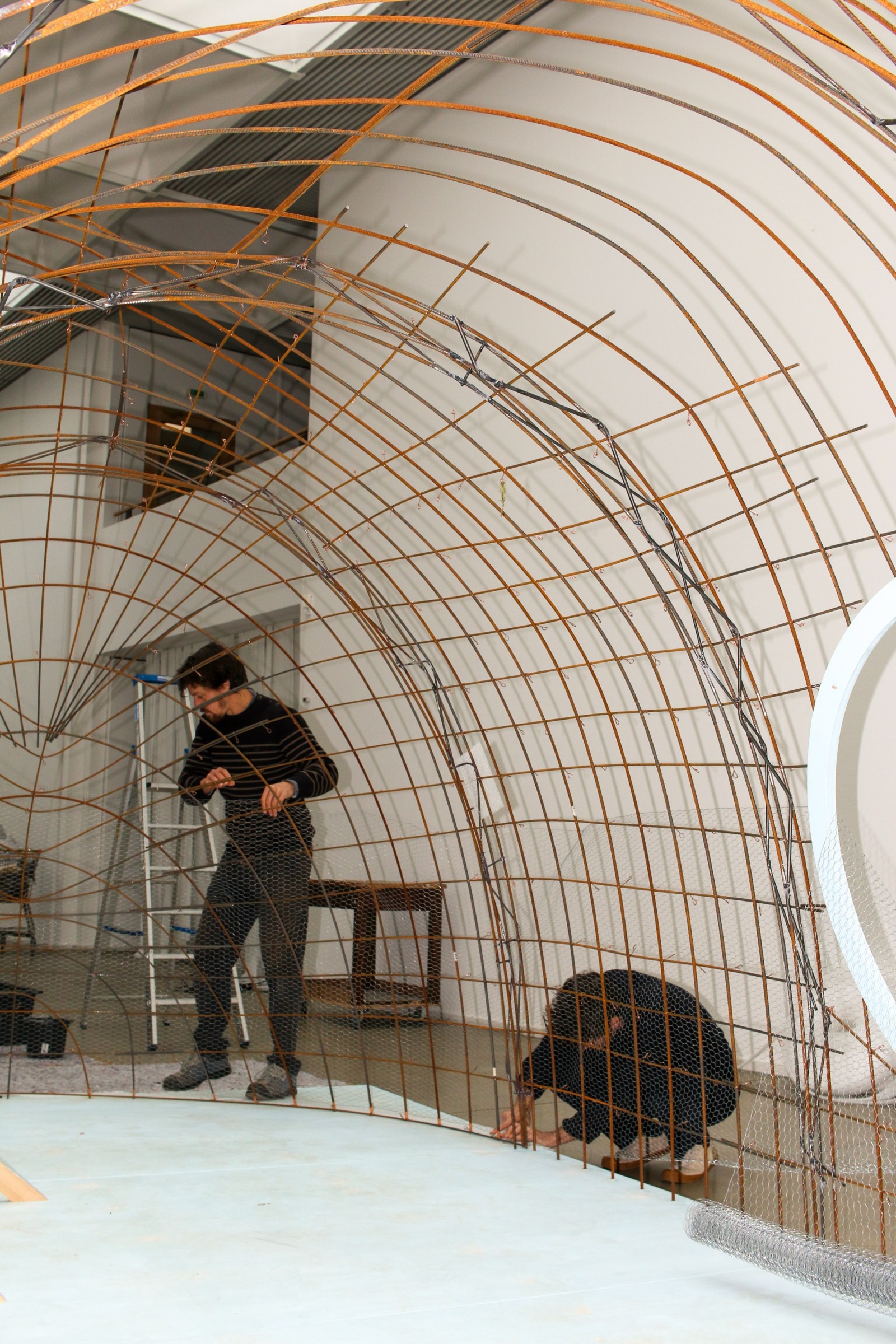
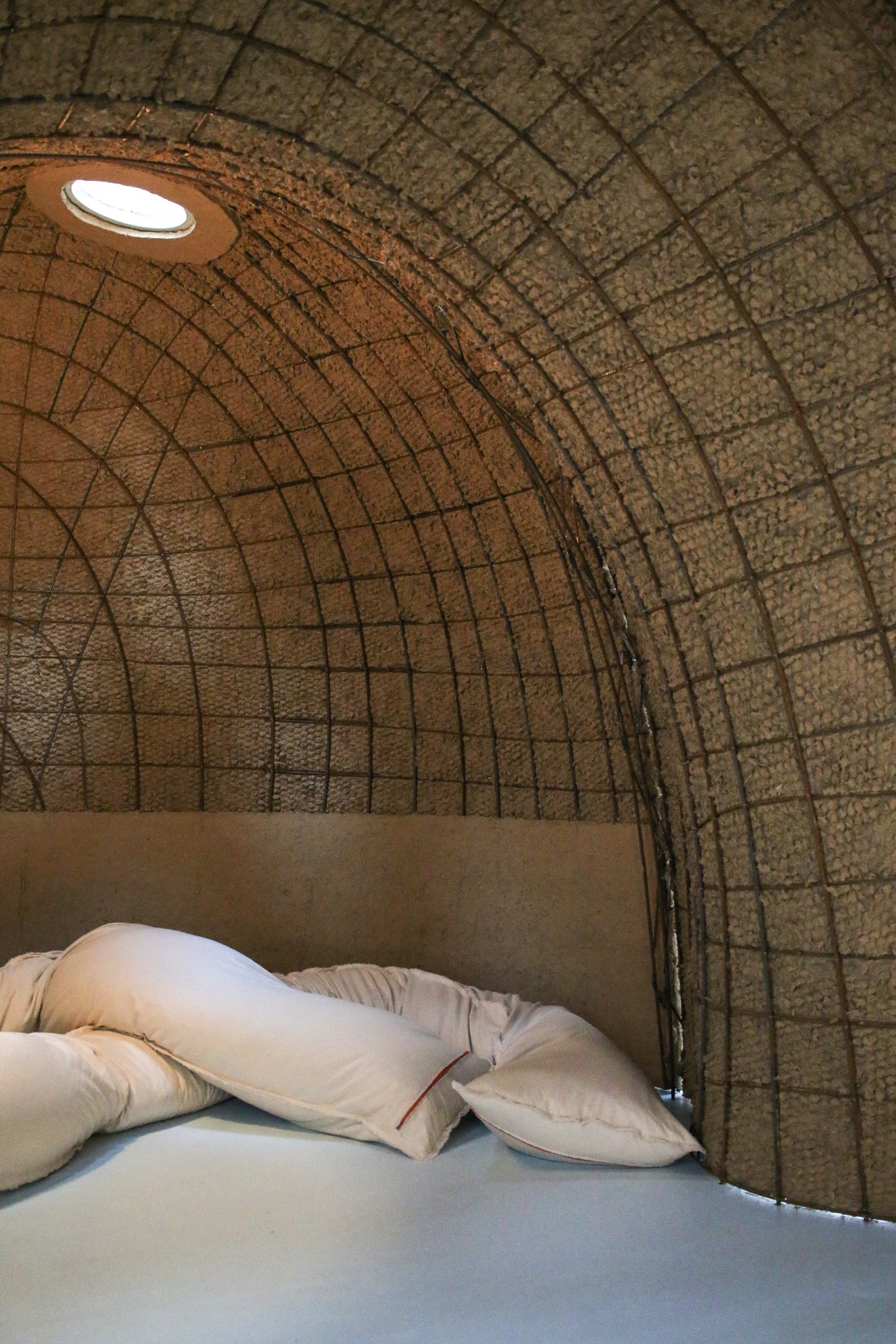
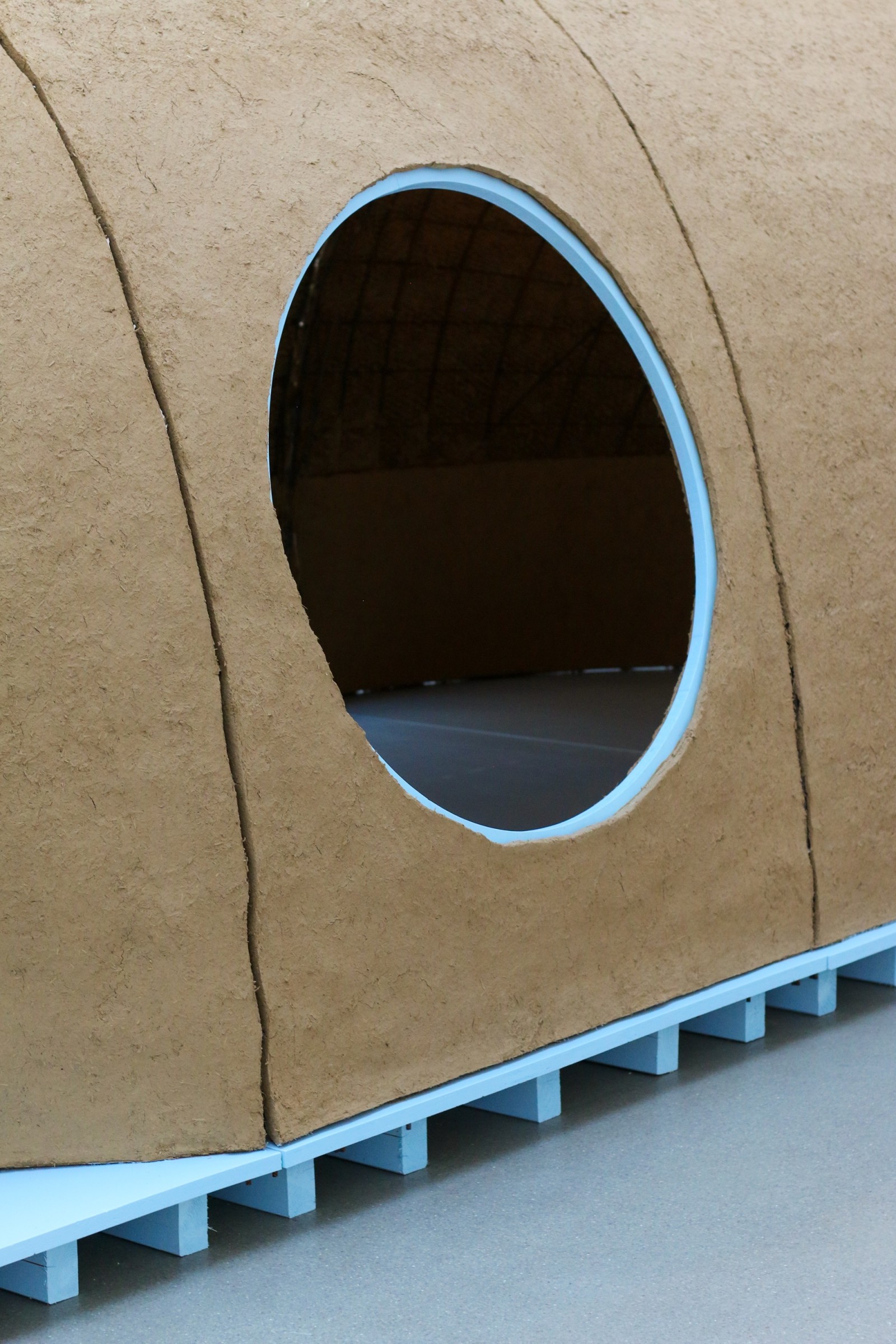
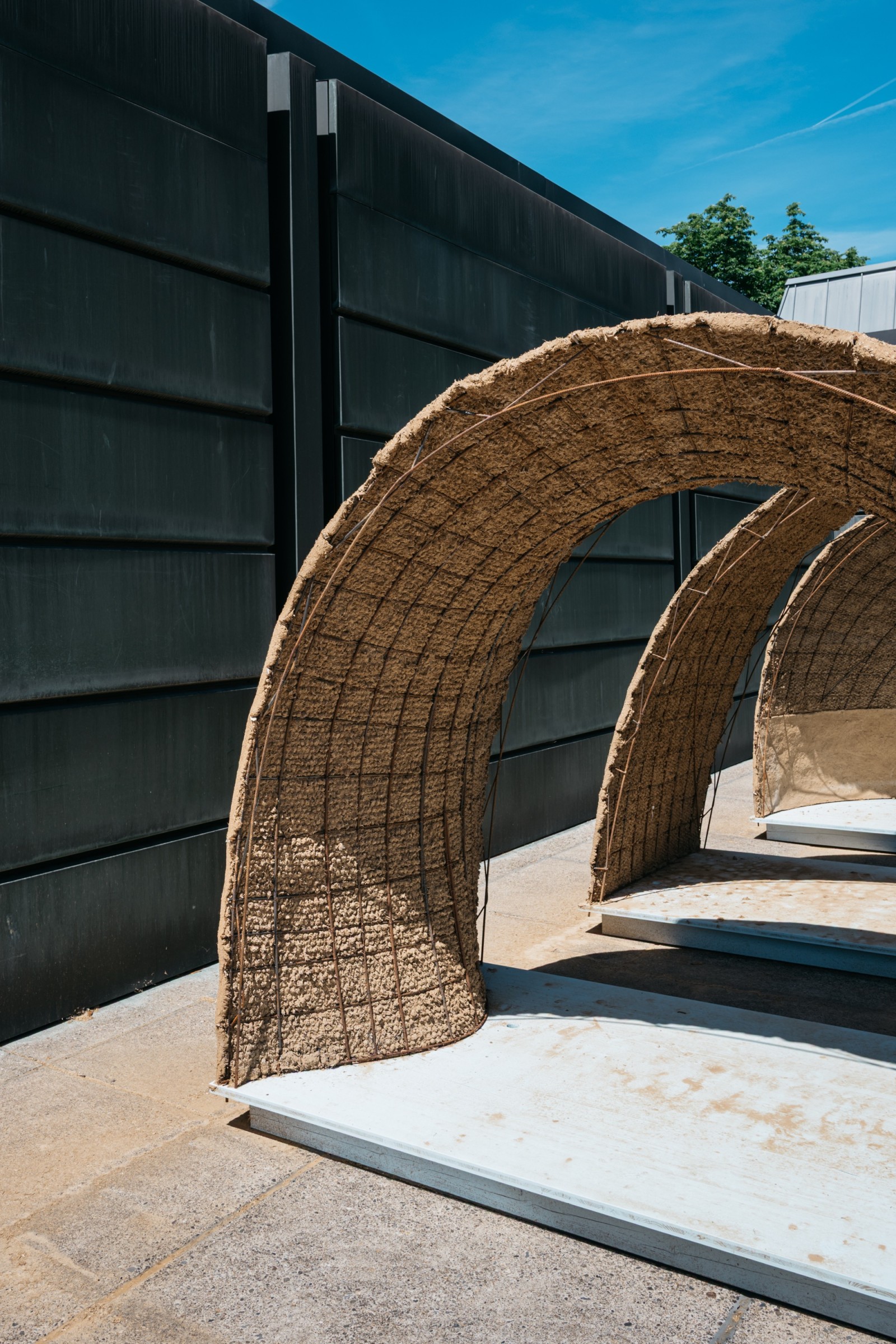
From this encounter with the museum arose a hybrid project situated at the intersection of architecture, sculpture, and scenography. More than an autonomous object, it is conceived as an immersive environment: a living, porous, and evolving space that invites visitors into a physical as well as sensory experience. Rather than concealing its making, the work deliberately preserves the visible traces of its own construction process.
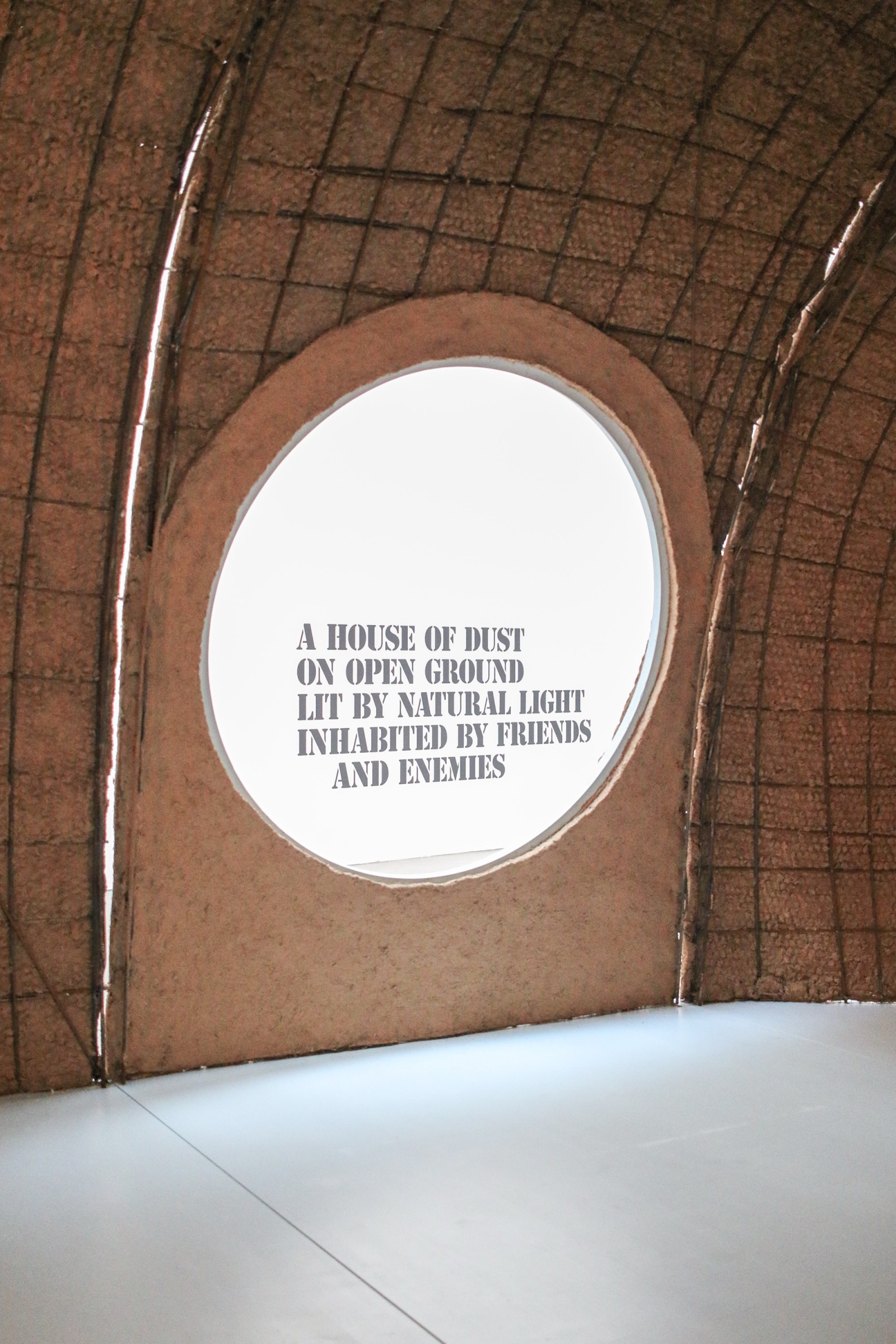
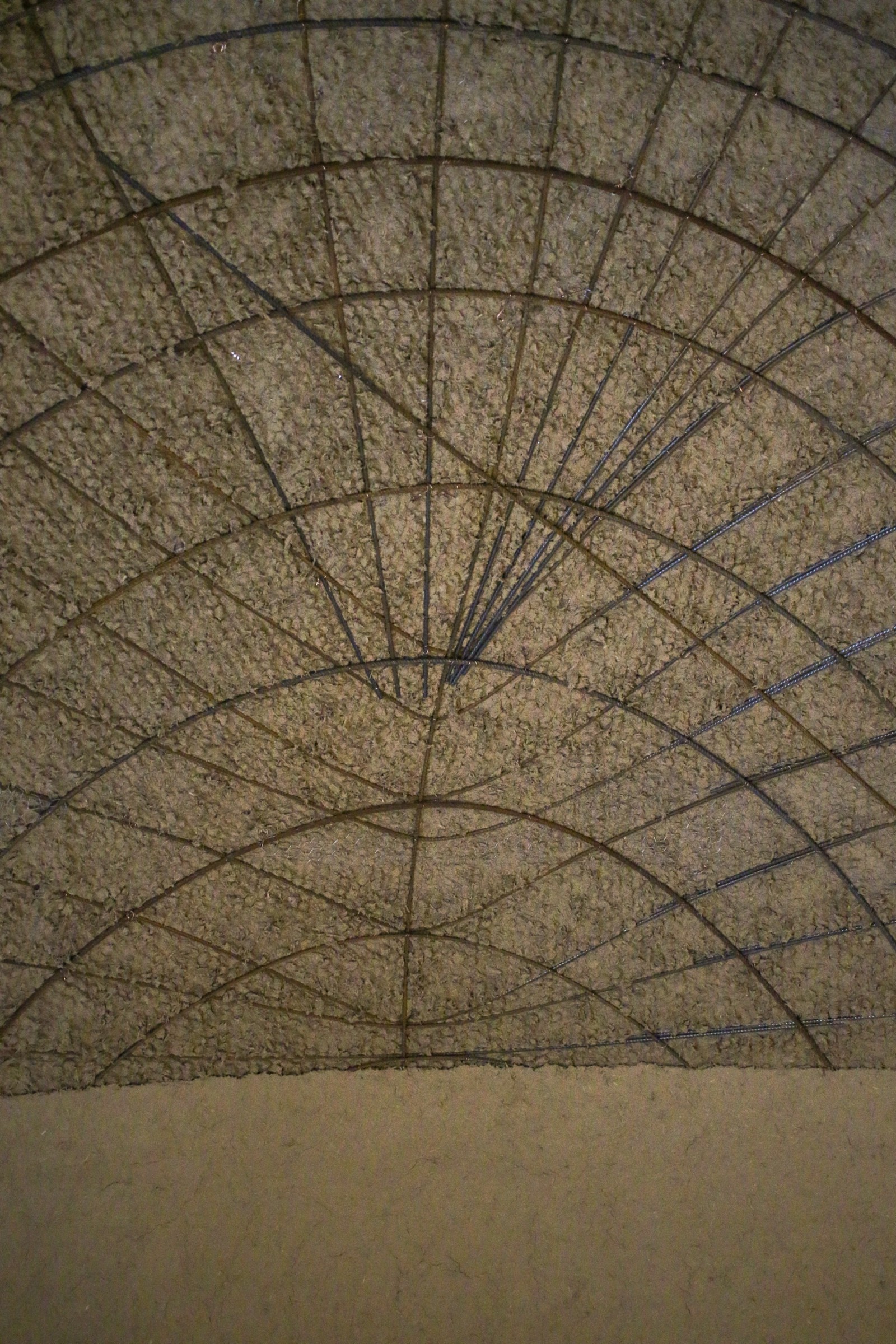
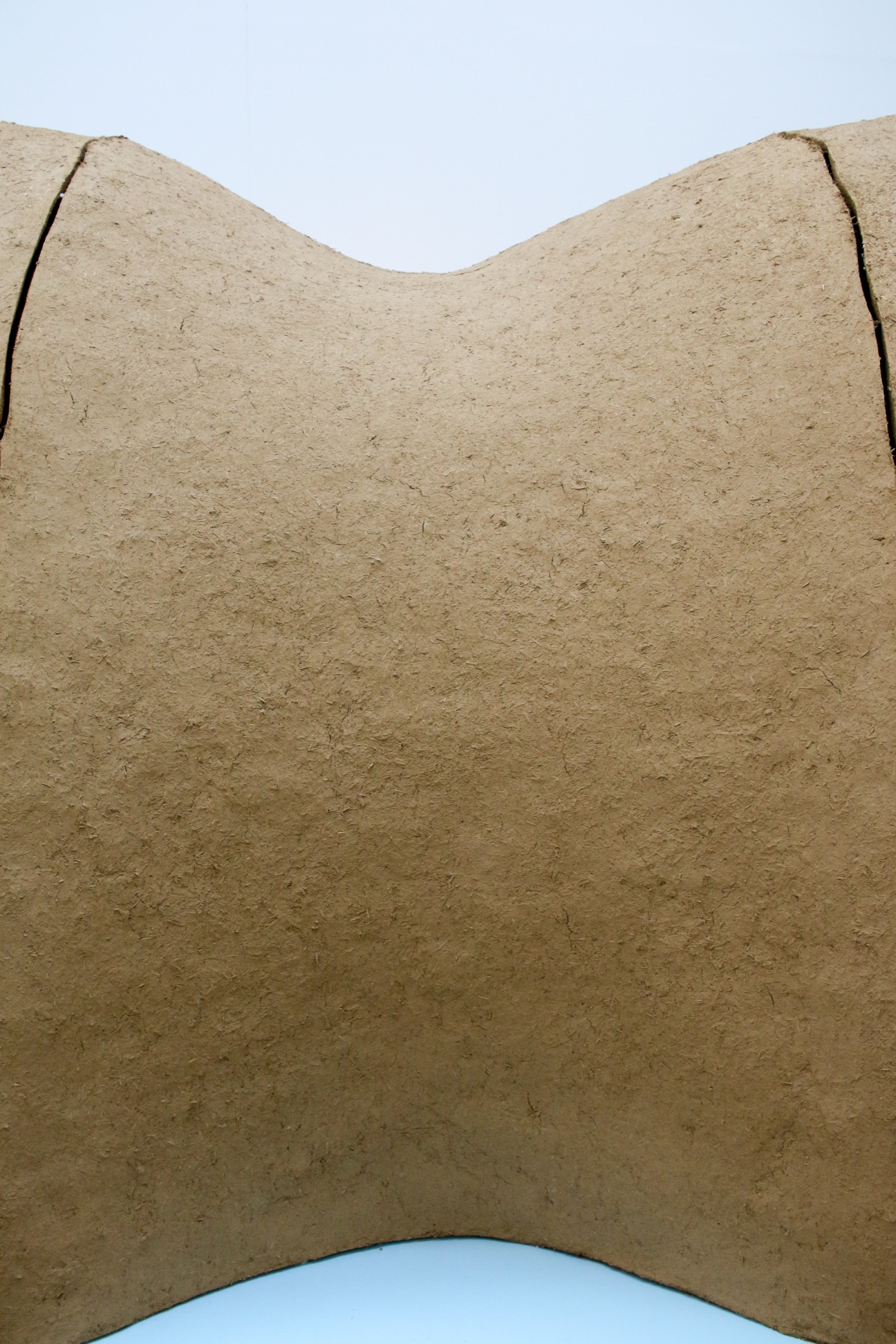
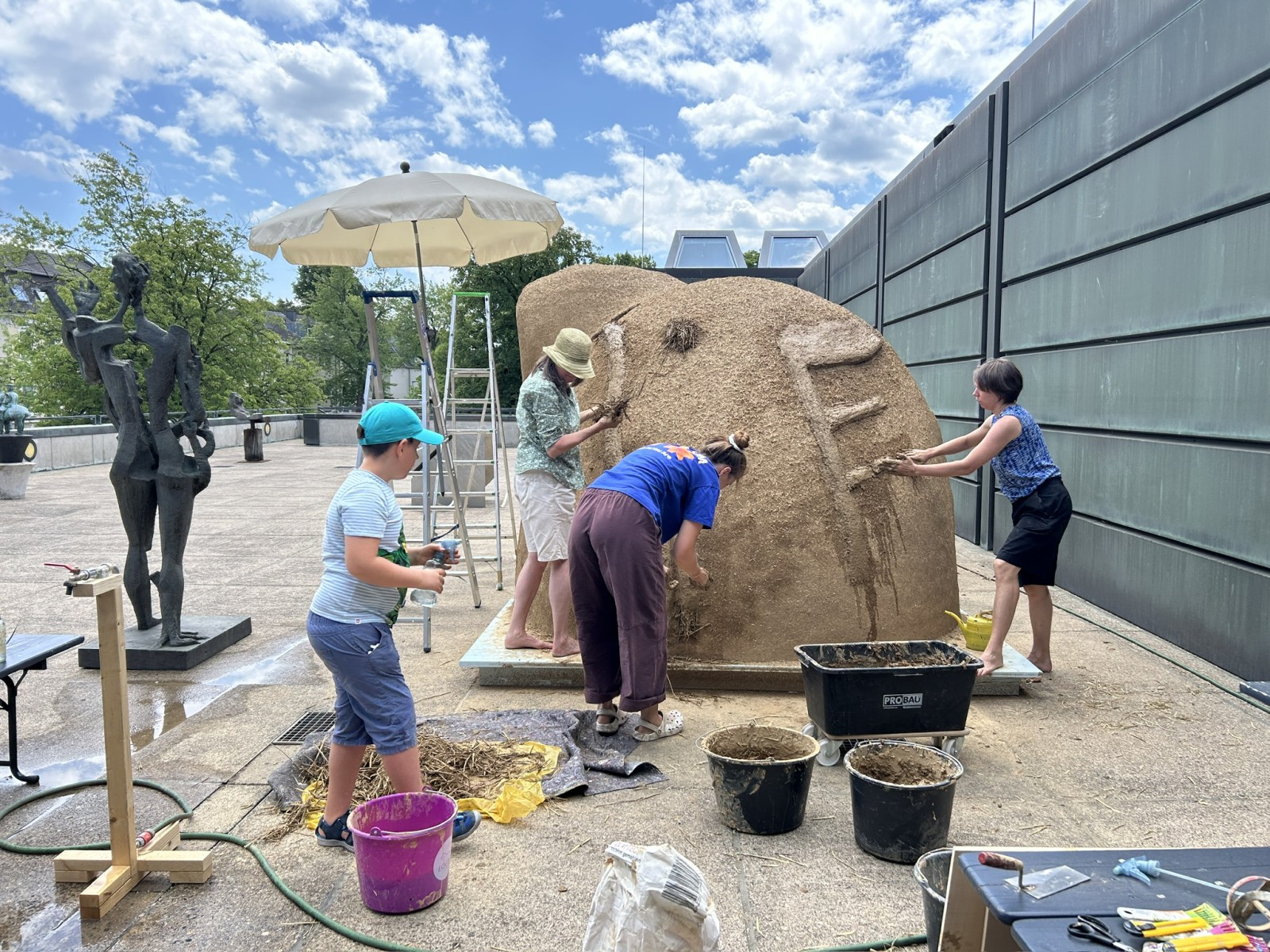
To give form to this monumental installation, the designers turned to cob—a traditional mixture of earth and straw. Chosen for both its expressive qualities and its vernacular heritage, this raw, organic material is applied to a curved steel framework. Spread in a thin layer, it reveals the mesh beneath while making visible the gestures involved in its construction.
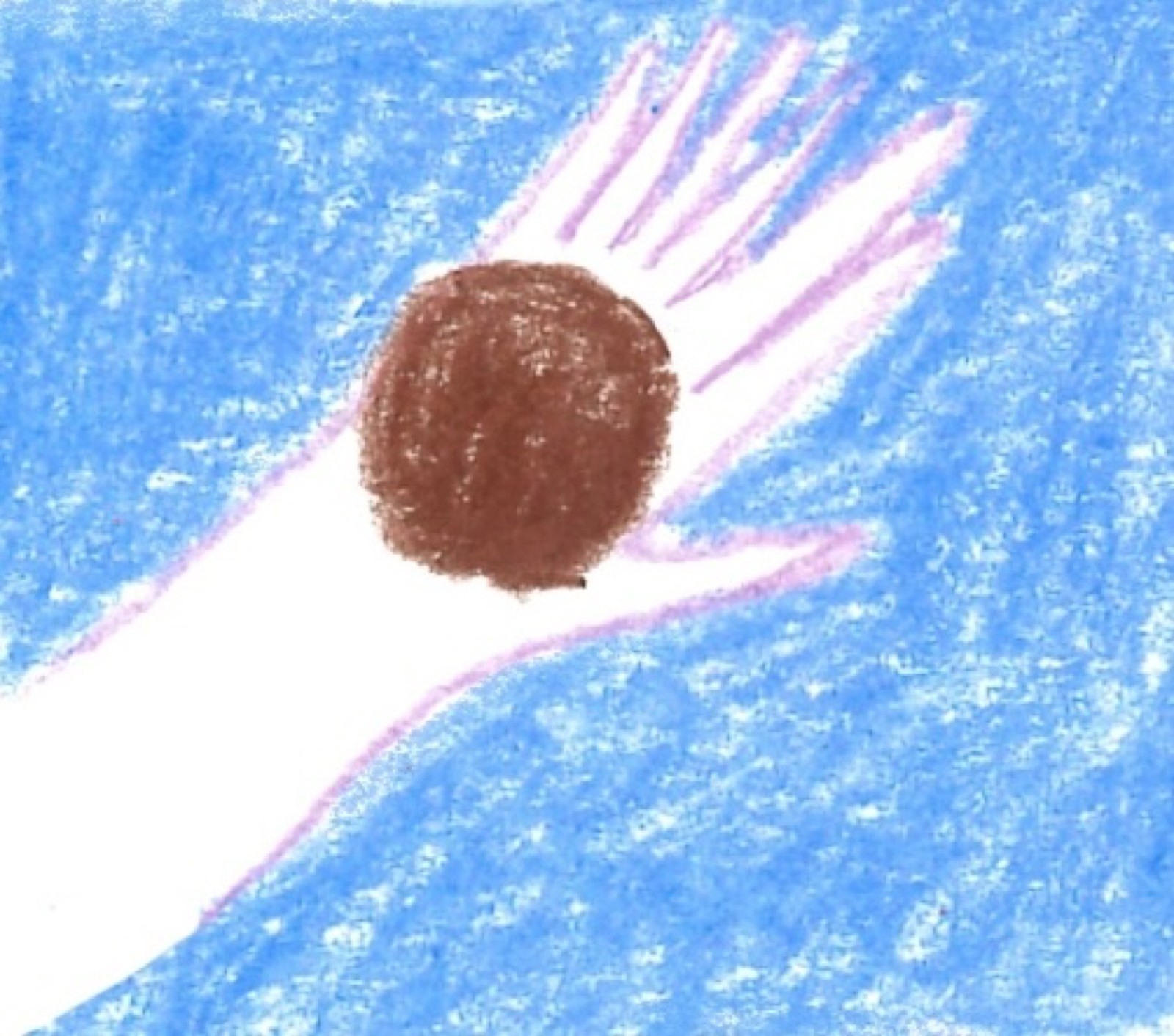
Working empirically with earth re-centres the ritual of building. Here, construction is not simply a matter of assembly but of experimentation. Making becomes a living process in which the hand thinks, the body shapes, and gesture extends thought through material.
Designed as a modular structure, the work is intended to evolve as it travels. Each new installation offers an opportunity for reconfiguration and reinterpretation, enabling it to continue adapting to the places it inhabits while remaining faithful to the nomadic principles of the original work.
Presented outdoors during the exhibition Das öffentliche Grün, the installation is exposed to weather, time, and erosion. Its gradual disappearance forms an integral part of the project: rather than representing deterioration, it marks the final stage of a work conceived as a continuous cycle of transformation.
A house of dust
On open ground
Lit by natural light
Inhabited by friends and enemies
Project team: Lalie Bays, Flavio Ribeiro, Jean-Michaël Taillebois, Sébastien Tripod
In collaboration with Mélissa Rouvinet
Cob expert: Daniel Duchert
Commissioned by Kunstmuseum Bochum
Construction assistance: Songül Edis, Fion Pellacini
Produced with the help of many volunteers